How to Buy a Domain Anonymously with Cryptocurrency — Best Services of 2026
When you buy a domain, your name, address, and phone number can end up in the public WHOIS database — anyone will be able to find out exactly who owns the website. Some registrars offer data privacy services, but not all of them truly provide a high level of anonymity.
If you need anonymous registration so that your name cannot be linked to the website, you must not only choose an appropriate registrar but also pay with cryptocurrency. How to find a service that ensures privacy — we explain in this article.
Criteria for choosing an "honest" anonymous registrar
Before registering a domain, it is necessary to carefully study exactly how the service ensures anonymity.
- No KYC. A good anonymous service does not request passport details. An email address is sufficient for registration.
- Free WHOIS protection. A reliable registrar does not publish the owner's real data in the public WHOIS. Instead of the name, address, and email, the registrar's data or a non-existent contact is displayed. It is important that the service is provided for free and that protection is enabled automatically for all domains.
- Crypto support. The registrar must accept payment in cryptocurrency. BTC and USDT are supported by many services, but they do not provide complete anonymity. For a higher level of privacy, Monero (XMR) is preferable.
- Jurisdiction. The country of registration matters — local laws dictate how customer data is processed and under what circumstances the company is obliged to disclose it. For projects with heightened privacy requirements, Panama, Seychelles, and Belize are most often chosen — offshore zones with strict privacy policies. Iceland, Tonga, and Saint Helena are also the least susceptible to pressure from international regulators and are suitable for most tasks.
- Reputation and stability. Check how many years the service has been operating and what users write about it.
Read the website's privacy policy, and remember that even anonymous registrars can hand over data to authorities by court order.
Top 5 domain registrars with maximum privacy
Let's look at services that offer a high level of anonymity, accept cryptocurrencies for payment, and do not require KYC verification.
Njalla
Njalla is a service focused on protecting the privacy of website owners. Upon registration, the domain is registered to the company, and the user gets full access to management: DNS configuration, renewal, changing records, and using the domain for a website or email.
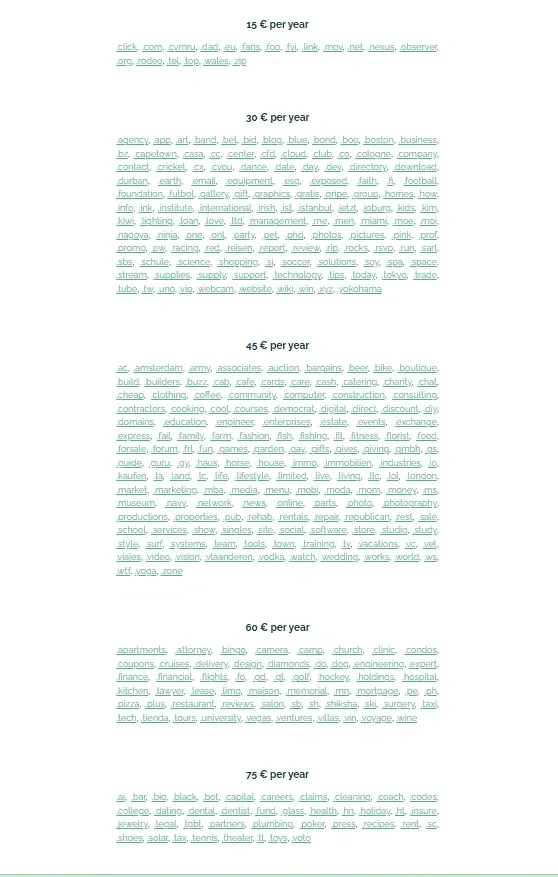
Payment and verification. An email address is sufficient for registration — no documents are required. Services can be paid for with cryptocurrency, including Monero, without using bank cards or traditional payment systems.
Jurisdiction. The company is registered in Costa Rica. The service is associated with Peter Sunde — one of the co-founders of The Pirate Bay, which explains its focus on privacy.
Features. Legally, the domain belongs to Njalla, not you. You manage it, but formally the company remains the owner. In most cases, this does not cause problems, but in disputed situations or when transferring a domain, additional difficulties may arise.
OrangeWebsite
OrangeWebsite is an Icelandic platform for hosting and domain registration with a focus on privacy and protecting projects from censorship. The service offers domain registration and hosting without mandatory identity verification.
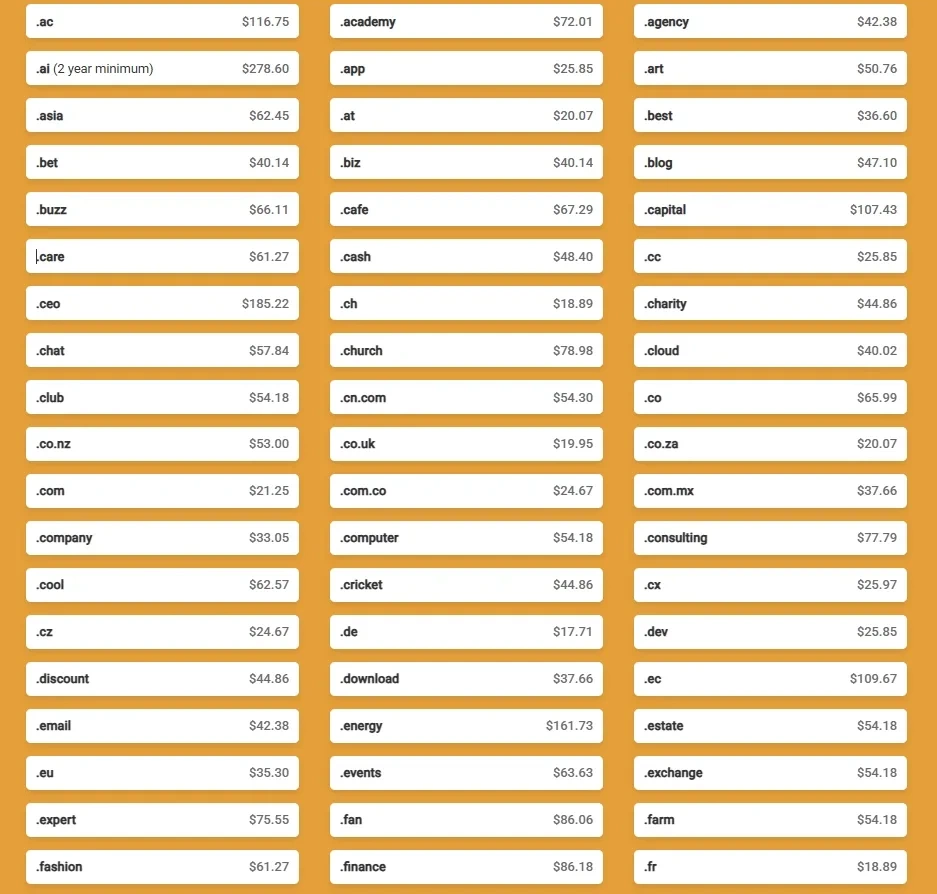
Payment and verification. An email address is sufficient to create an account — no documents are requested. Services can be paid for with cryptocurrency, including Bitcoin, Litecoin, and Monero, without using bank cards or traditional payment systems.
Jurisdiction. The company is registered and operates in Iceland. Local legislation regarding freedom of speech and data protection is considered more lenient compared to many other countries.
Features. The company adheres to a non-interference policy and only removes websites in case of a violation of the law or terms of service.
FlokiNET
FlokiNET is a hosting provider and domain registrar with an emphasis on privacy and protecting projects from censorship. The platform is designed for projects that may face blocking or pressure from regulators.
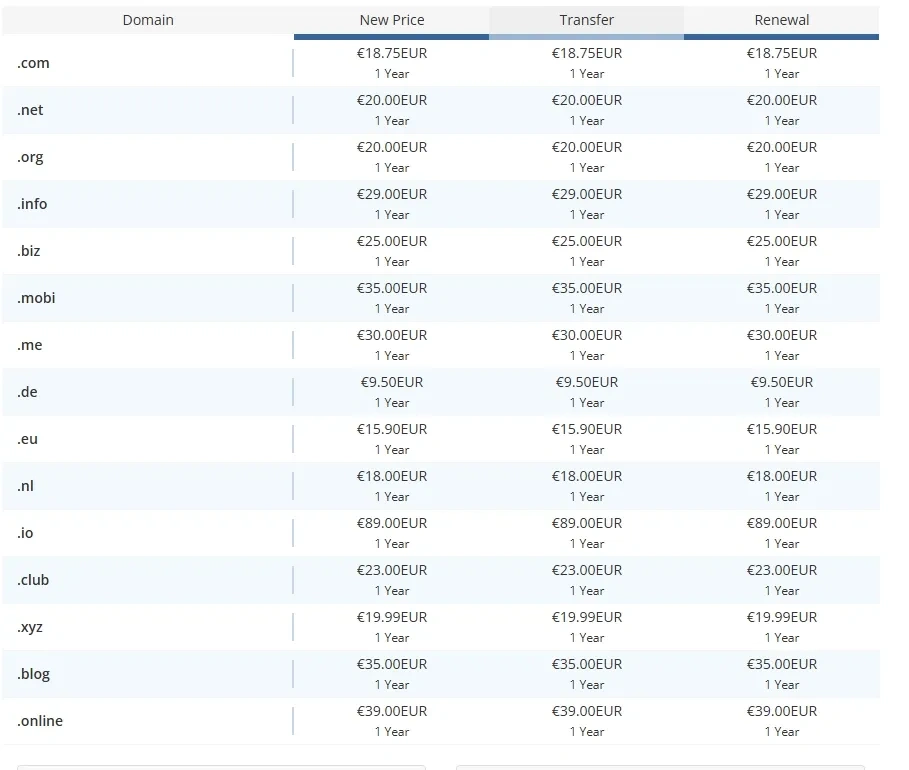
Payment and verification. An email address is sufficient for registration — ID and KYC are not required. The service accepts Bitcoin, Monero, Litecoin, Ethereum, Dash, and also supports cash payments via mail (cash by mail).
Jurisdiction. The company was founded in Iceland and uses data centers in Iceland, Romania, Finland, and the Netherlands. These locations were chosen taking into account legislation regarding freedom of speech and the absence of mandatory data retention.
Features. Anonymous domain registration is supported (excluding certain national top-level domains), WHOIS privacy is included, and support for .onion hosting and Tor nodes is available. DDoS protection is enabled by default.
MonsterMegs
MonsterMegs is an anonymous domain registration service. On the platform, you can order domain name transfers and additional management services.

Payment and verification. An email address is sufficient to create an account — no documents are requested. The service accepts various cryptocurrencies through the Cryptomus payment gateway, including Bitcoin, Ethereum, Monero, Litecoin, as well as stablecoins, such as USDT.
Jurisdiction. Despite the fact that the company is based in the US, it offers specialized data protection services. For some domain zones (for example, .us), WHOIS protection is unavailable due to registry rules.
Features. The service offers DNS management and a domain control panel. You can register domains in popular zones (.com, .org, etc.) and transfer existing domains.
NiceVPS
NiceVPS is a platform for the anonymous registration of domains, hosting, VPS, and other services. It uses its own DNS infrastructure with Anycast support (a method of distributing a single IP address among multiple servers in different countries), which increases the domain's resilience to failures and overloads.
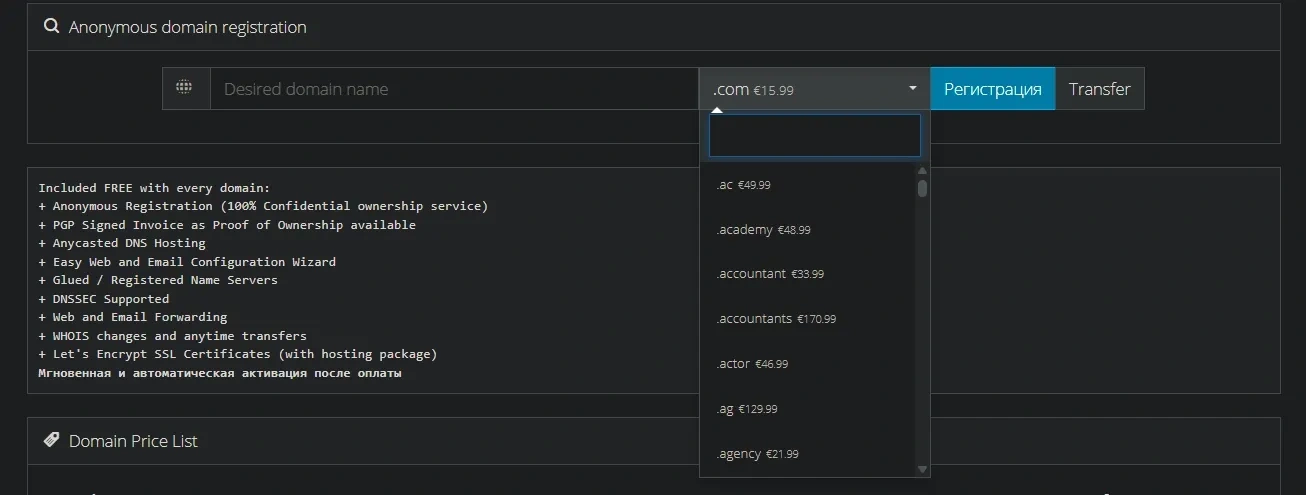
Payment and verification. No documents are requested for domain registration. Payment is accepted in cryptocurrency — Bitcoin, Ethereum, Monero, Litecoin, Dash, Zcash, and USDT — without using bank cards.
Jurisdiction. The project is positioned as an anonymous "offshore" service. The owner of the resource does not disclose information about the company's country of registration or legal entity.
Features. PGP-signed invoices are sometimes offered to confirm ownership. After payment, activation occurs automatically without manual verification.
Popular registrars where you can buy a domain with crypto
These services accept cryptocurrency and offer free WHOIS protection, but they operate within standard regulations and are not positioned as fully anonymous services.
Namecheap
Namecheap is a large international domain registrar and hosting provider. The company has been operating in the market since 2000 and supports cryptocurrency payments.
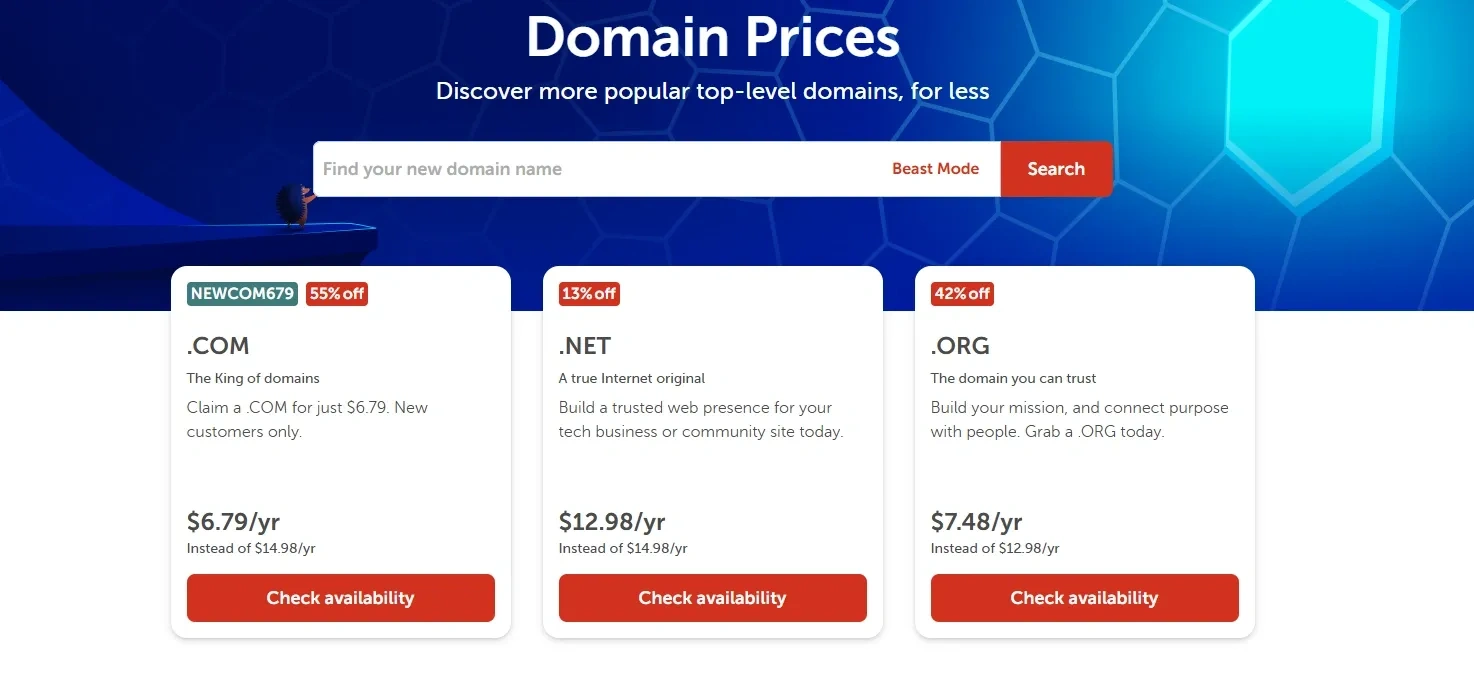
Payment and verification. The service accepts BTC for paying for domains, hosting, and SSL certificates. Payment is made by topping up the account's internal balance. When creating an account, you are asked to provide basic contact information.
Jurisdiction. The company is registered in the US and operates under American legislation.
Features. Free WHOIS protection is available for most domain zones for the entire registration period. However, for some zones, including .us and .in, privacy is unavailable. The service does not support Monero.
Porkbun
Porkbun is a popular ICANN-accredited domain name registrar that stands out for its low prices, simple interface, and transparent operating policy.
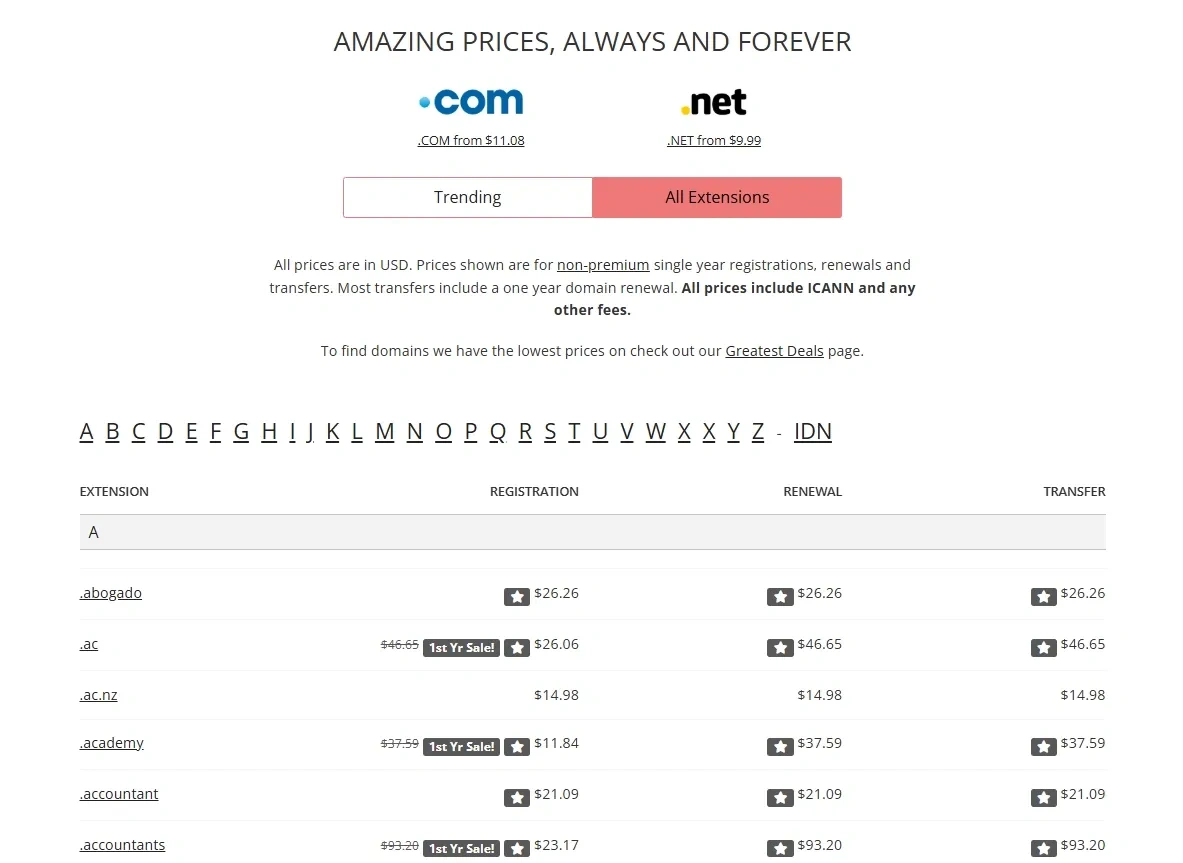
Payment and verification. Cryptocurrency payment is possible via Coinbase Commerce. BTC, ETH, and other currencies supported by Coinbase are available.
Jurisdiction. The company operates under US jurisdiction.
Features. For most domain zones, WHOIS protection is enabled for free — the privacy service's data is displayed in the public registry instead of the owner's contact information. When paying via Coinbase Commerce, transaction processing occurs on Coinbase's side, where their own user identification requirements may apply.
NameSilo
NameSilo is an ICANN-accredited budget domain registrar with support for cryptocurrency payments.
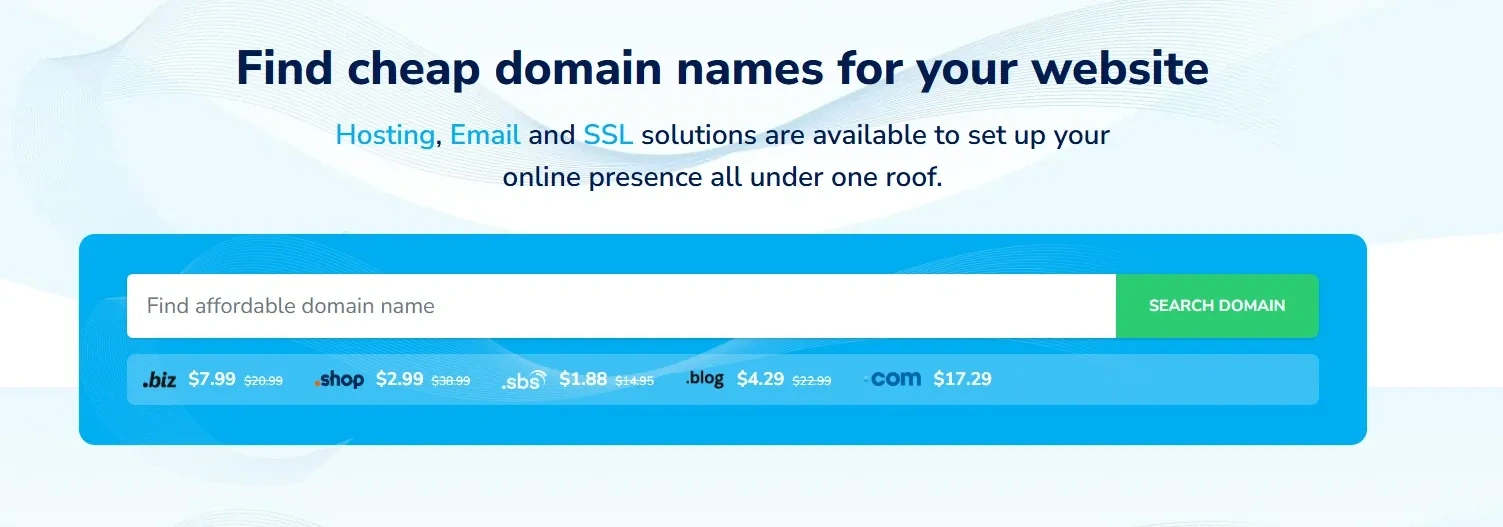
Payment and verification. The service accepts BTC through a built-in payment system. Providing contact information is required when creating an account.
Jurisdiction. The company is registered in the US.
Features. Free WHOIS protection is automatically enabled for most domain zones: the owner's personal data is not displayed in the public registry. For certain domains, such as .us and .in, privacy is unavailable due to registry rules. The service provides DNS management, domain auto-renewal, and bulk management tools through the admin panel.
Guide: how to buy a domain anonymously
The general logic is simple: minimize the digital footprint at every stage — from creating an email to configuring servers. Any link to your real identity nullifies all anonymity.
-
Email preparation.
Forget about your primary Gmail or corporate addresses — these are direct evidence. Use only encrypted email (ProtonMail, Tutanota). Create the account only via VPN/Tor, without linking a phone number.
One project — one email. Otherwise, a single leak could lead to all the other domains.
-
Connection masking: VPN, Tor, and antidetect browsers.
Accessing the registrar's website from a home IP means voluntarily leaving your coordinates in the logs.
- VPN — use services with crypto payment and no KYC.
- Tor — a good option if the registrar does not block such traffic.
- For serious tasks, use antidetect browsers like Linken Sphere.
The main task is to prevent the domain from being directly linked to your device and other domain names.
-
Funding the wallet.
If you pay for the domain directly from a KYC exchange where you passed selfie verification, your anonymity is nullified. For this work, it is necessary to use P2P exchangers, exchanges without mandatory verification, or cash services (to fund a crypto wallet with cash, bypassing the banking system).
The optimal scheme: an exchange chain of BTC → XMR (Monero) → Payment, since Monero hides transaction details at the protocol level. If you plan to pay with BTC or USDT, the coins must definitely be run through mixers (tumblers). These are special services that mix your coins in a common pool with thousands of transactions from other users, giving you the same amount at the output, but with different, "clean" coins.
-
Payment process and registrar profile.
Choose registrars that are loyal to privacy, such as Njalla or OrangeWebsite. Before purchasing, make sure the WHOIS Privacy service is enabled by default.
In the profile, provide only the necessary minimum. An anonymous email and a pseudonym instead of a real name are usually sufficient for registration.
After payment, do not save logins and passwords in Apple or Google cloud notes linked to your main account. Use only local password managers or encrypted containers.
-
Connecting DNS and hosting.
An anonymous domain makes no sense if the hosting is tied to your real data. Configure DNS through the registrar or external services like Cloudflare, without transmitting metadata that could identify you.
For hosting the website, choose only offshore solutions. The hosting provider must have cryptocurrency payment options and a strict no-logs policy (no-logs policy).
The golden rule of anonymity: the domain, DNS, hosting, and your working traffic (VPN or Tor) must not intersect with your real data at any point.
Which domain zones are the safest?
Choosing a domain zone is, in essence, choosing the legal environment in which your website will exist. Different zones have different requirements for owners, different data verification procedures, and different levels of interaction with government authorities.
National domains like .us, .ca, or .ru are often associated with additional registration conditions. In some cases, proof of residency in the country is required, and registrars are obliged to comply with local data disclosure norms. This does not mean an automatic loss of anonymity, but formal requirements in such zones are usually stricter.
International zones — .com, .net, .org — are considered a more universal option. These are mass gTLDs with a clear registration procedure, developed infrastructure, and standard data protection mechanisms (including WHOIS Privacy). They are not tied to a specific country in the everyday sense and less frequently require additional confirmations beyond standard registration.
Separately, "neutral" European zones like .ch (Switzerland) or .li (Liechtenstein) are often mentioned. These jurisdictions stand out for their stable legal procedures and formal approach to information disclosure: data transfer occurs through an established legal mechanism. However, it is important to understand that no zone guarantees absolute anonymity — everything depends on the specific situation and the legal grounds for the request.
Conclusion
Buying a domain anonymously is a combination of decisions: a separate email, a minimum of personal data, a suitable domain zone, and a registrar with real WHOIS protection. National zones are often stricter, international ones are more flexible, but none provide absolute anonymity. Cryptocurrency reduces the banking footprint, however, blockchain transparency and KYC services can link the domain to you.
Frequently Asked Questions
In most cases, it is more difficult than paying with a credit card. Cryptocurrency transactions are irreversible, and the refund policy depends on the specific registrar. Some services refund funds to your internal account balance, while others may send them to your crypto wallet. Always read the Refund Policy section before making a payment.
If your goal is true project privacy, then yes. A domain with WHOIS protection alone does not hide server information. Data can be indirectly exposed through your hosting, DNS, or payment details. Therefore, your infrastructure must be built consistently: your domain, hosting, and payment method should align with your chosen privacy strategy.
This can happen due to the requirements of a specific domain zone, security policies, or suspected rule violations. In this case, you should clarify the reason for the request and check the terms of service. If you are not satisfied with the requirements, it is sometimes easier to transfer the domain to another registrar (if the domain zone rules allow it).